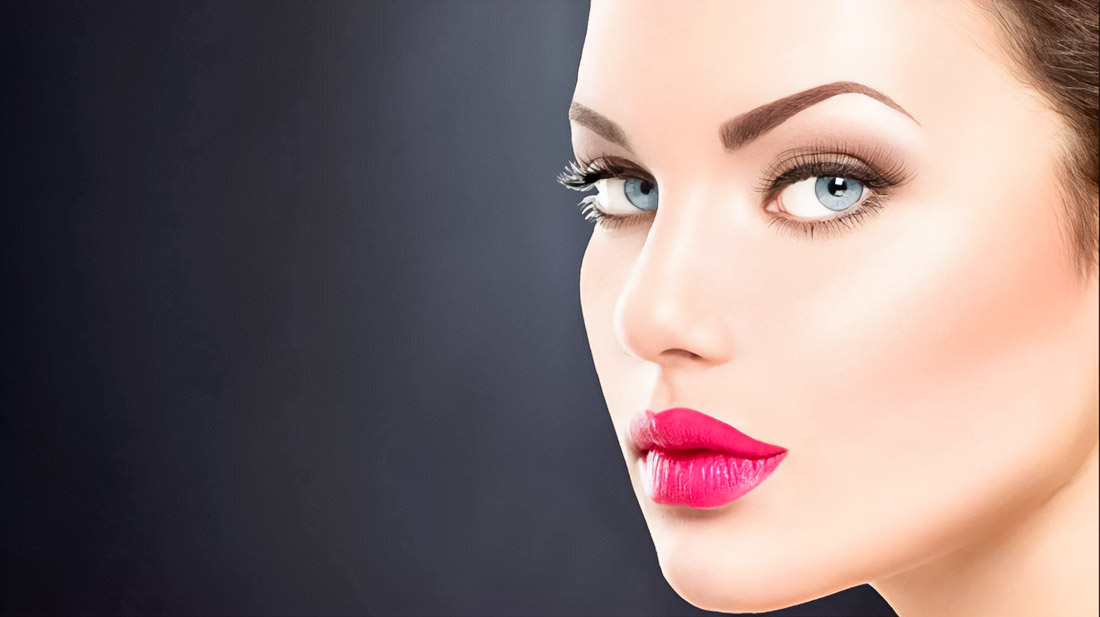
Eyebrow correction has long gone beyond decorative makeup. Modern methods of semi-permanent makeup allow you to restore the shape of eyebrows, add density, correct asymmetry and achieve a natural effect without daily tinting. Among the most popular techniques are microblading and nano-eyebrows, as well as combined solutions with elements of shading and microshading.
Despite the apparent similarity of the results, these techniques differ in the method of pigment implantation, the depth of exposure to the skin, the level of injury, and the behaviour of the pigment during the healing process.
What is Microblading?
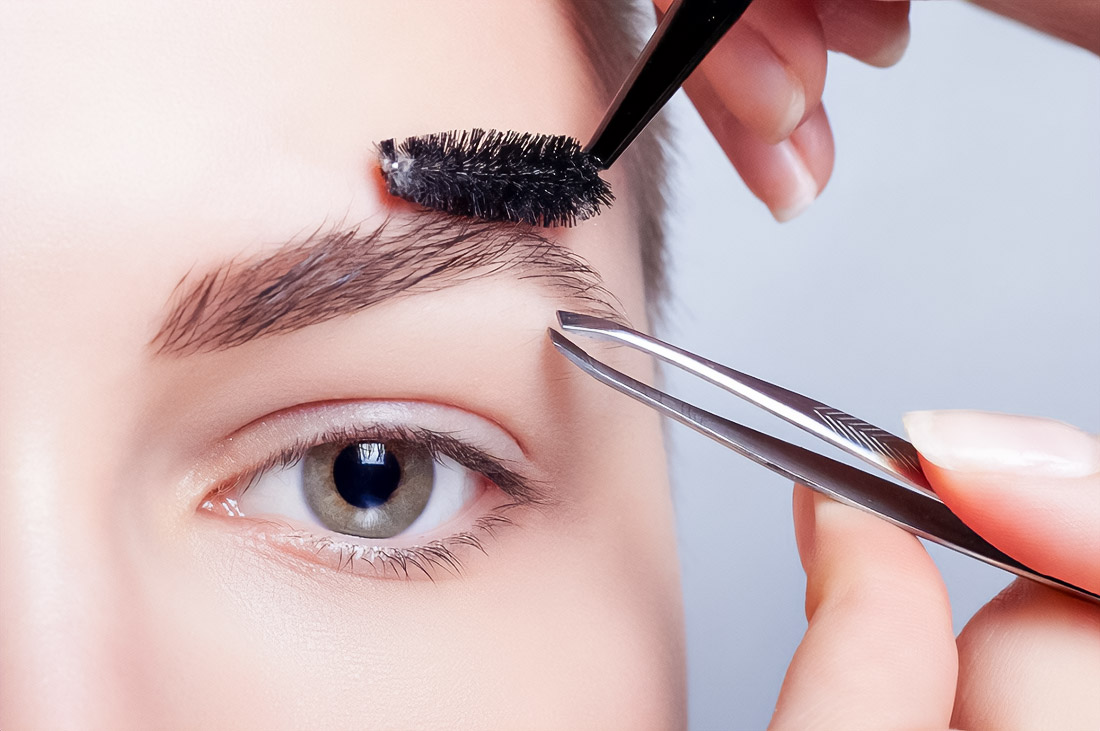
Microblading is a manual cosmetic tattooing technique in which pigment is injected into the skin using an instrument with a number of thin needles. Typically, 9 to 14 needles are used, assembled into a line forming micro-incisions in the epidermis. This creates clear hair strokes that mimic natural hair growth.This technique is widely associated with classic dermoblading approaches and remains popular in microblading Dubai clinics
The method allows you to achieve a pronounced eyebrow architecture and a well-readable shape, especially on normal and dry skin. However, the depth of pigment application and the nature of the incisions make microblading more traumatic compared to hardware techniques. This affects the healing process: redness, crusts, peeling, and itching may persist longer.
The durability of the result during microblading is on average from 12 to 24 months.. The first correction is usually performed 6-8 weeks after the procedure, when the skin is fully undergoing a recovery cycle and the retention of pigment becomes clear.
Nano-Eyebrows and Nanoblading: Technical Features

Nano brows represent a machine-based evolution of traditional dermoblading. Nano-eyebrows are a hardware technique in which pigment is implanted using a digital machine and one ultra-thin needle. Unlike the manual method, there are no incisions: the needle works with high precision and controlled depth, acting more superficially.
This reduces skin injury, reduces the risk of scarring, and makes healing easier. The hair strokes look more diffuse, with variable thickness and soft edges, which is often perceived as a more natural and “fluffy” effect.
Nano-eyebrows are considered a more versatile technique in terms of skin type. They are suitable for oily skin, sensitive and mature skin, as well as for thin skin with enlarged pores. It is important to take into account that a more superficial application of pigment may require more regular maintenance procedures.
On average, the durability of nano-eyebrows ranges from 18 to 36 months, but this indicator strongly depends on the skin texture, care after the procedure and the individual characteristics of epidermal renewal.
Skin Type as a Key Choice Factor
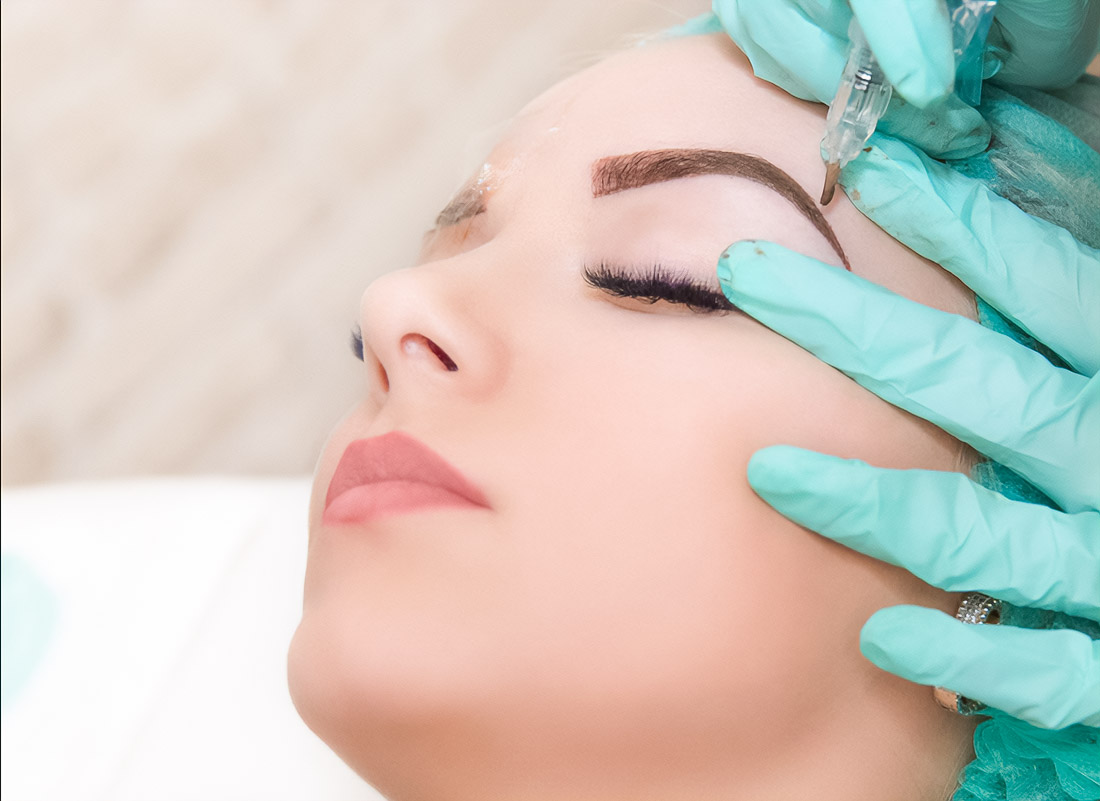
One of the main criteria when choosing a technique is skin type. Oily skin accelerates the leaching of pigment and can affect the clarity of hair strokes. That is why manual microblading on such skin often gives less stable results.
Hardware nano-eyebrows, due to their controlled depth and less injury, demonstrate more predictable healing on oily and combination skin. For sensitive and mature skin, another aspect is also important ,reducing the inflammatory response and minimising damage to the dermis.
Combined Eyebrows and Shading
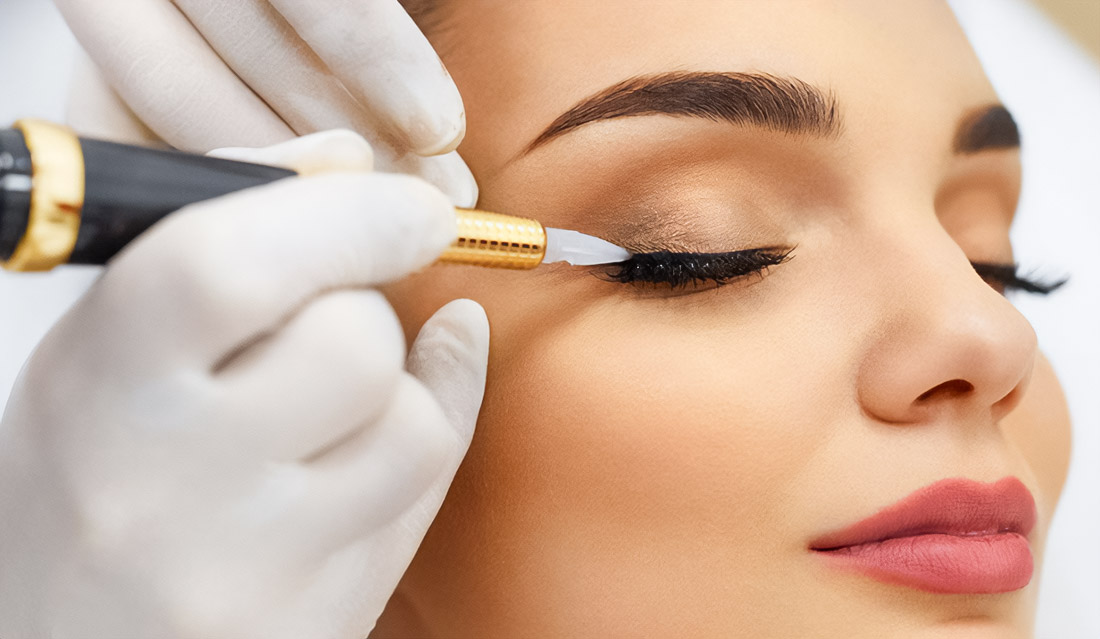
Combined eyebrows combine hair techniques and soft shading. Usually nano or microblading strokes are used in the area of the beginning of the eyebrow, and a powdery effect or microshading is added in the middle part and tail.
This approach allows you to visually increase the density, adjust the gaps and create a more voluminous aesthetic result. The combination of techniques is especially relevant for uneven hair growth, scarring, or if you want to get a more structured but natural effect.
Healing and Care
The healing process typically takes six weeks, regardless of the method selected. The pigment stabilises, and the skin passes through stages of recuperation throughout this time.
After the procedure, it is important to follow the care instructions – cleansing, using healing agents, avoiding makeup in the eyebrow area and sun protection for about 14 days. Failure to follow the recommendations directly affects the durability of the result and the uniformity of the pigment.
